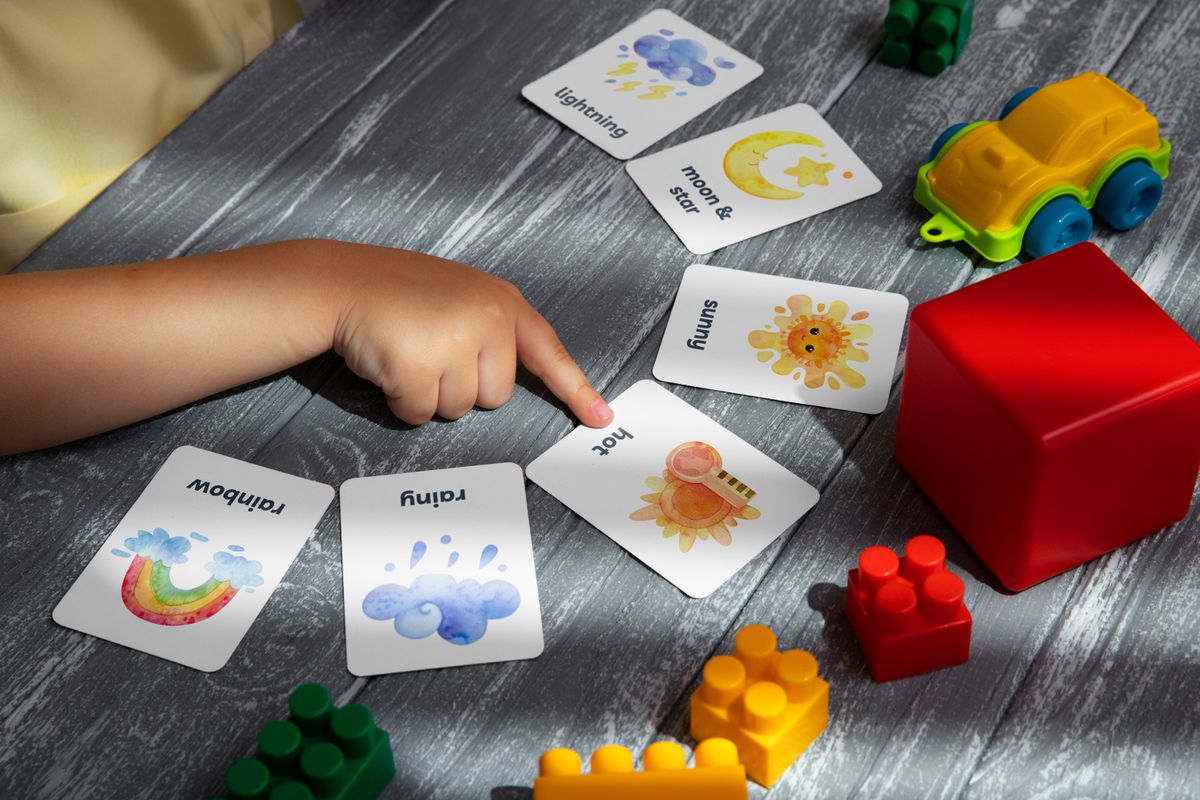
If you're struggling to remember syntax, algorithms, or data structures despite hours of studying, you're not alone. In 2026, programming students face an unprecedented challenge: mastering multiple languages, frameworks, and paradigms simultaneously. Traditional study methods simply can't keep pace with the demands of modern computer science curricula.
The solution? Strategic use of learn flashcards for programming university courses—but not the old-fashioned way. This comprehensive guide reveals 9 advanced methods that leverage cognitive science, AI technology, and collaborative learning to transform how you retain programming knowledge. Whether you need free flashcards for java university courses or comprehensive learn help for computer science college, these techniques will revolutionize your study approach.
Why Traditional Flashcards Fail Programming Students in 2026
Creating Custom Flashcard Templates for Effective Learning
When it comes to creating flashcards for programming, many students rely on generic templates that may not cater to their specific learning needs. However, by creating custom flashcard templates, students can streamline their learning process and focus on the most critical concepts.
To create custom flashcard templates, start by identifying the key topics and concepts that require more attention. Use a note-taking app like Evernote or OneNote to organize your notes and categorize them into specific topics. You can also use ScholarNet AI to help generate flashcard templates based on your existing notes.
When designing your custom flashcard templates, make sure to include the following features:
Integrating Flashcards with Real-World Projects
One often overlooked aspect of learning with flashcards is the connection to real-world projects. University students should aim to integrate their flashcard study sessions with relevant projects, coding challenges, or open-source development exercises.
This approach helps reinforce the concepts learned and enhances transferable skills. For instance, students studying data structures and algorithms can use flashcards to reinforce key concepts and then apply them to a real-world project, such as building a website or a mobile app.
When combining flashcards with real-world projects, students can leverage tools like GitHub or GitLab to collaborate on projects and share knowledge. By doing so, they can create a portfolio of work and demonstrate their skills to potential employers.
Incorporating real-world projects into flashcard study sessions can also increase motivation and engagement. By seeing the practical application of concepts, students are more likely to stay motivated and retain information better.
Utilizing Flashcards with Peer Support Groups
Flashcards are not limited to solo study sessions; they can be an effective tool for peer support groups. University students can form study groups and share flashcards to reinforce key concepts and exchange knowledge.
- ScholarNet AI, a collaborative learning platform, offers features to create and share digital flashcards, making it an excellent tool for peer study groups.
- Students can create flashcards in groups and take turns explaining complex concepts, promoting active learning and peer-to-peer teaching.
- By incorporating flashcards into peer support groups, students can benefit from diverse perspectives and experiences, leading to a deeper understanding of the material.
Leveraging Technology for Enhanced Flashcard Experience
University students can also leverage technology to enhance the flashcard experience. From mobile apps to browser extensions, there are numerous tools available to make learning more engaging and interactive.
For instance, some flashcard apps offer gamification features, such as rewards or leaderboards, to motivate students and make learning a more enjoyable experience.
When selecting a flashcard app or tool, students should consider features such as audio content, multimedia integration, and customizable templates to suit their learning style.
By incorporating technology into their flashcard study sessions, students can streamline their learning process, improve retention, and achieve better results in their exams and coursework.
Reading About It Isn't Enough. Practice It.
ScholarNet AI creates practice quizzes, flashcards, and explains concepts step-by-step — like a tutor available at 3am.
5 free quizzes/month. Upgrade to Pro for unlimited — $19.99/mo.
- A clear and concise question or prompt
- A corresponding answer or concept summary
- A space for additional notes or context
- A way to track progress and identify areas for improvement
Using Gamification Techniques to Enhance Flashcard Engagement
Gamification techniques can take your flashcard learning experience to the next level by adding a competitive edge and making it more enjoyable. One effective way to incorporate gamification is by creating flashcard challenges or quizzes that reward students for correct answers.
Here are some gamification techniques you can use to enhance flashcard engagement:
- Flashcard tournaments: Challenge yourself or friends to a flashcard tournament where the goal is to answer a set number of questions correctly within a time limit.
- Leaderboards: Create a leaderboard to track progress and see how you rank against others.
- Badges and rewards: Earn badges or rewards for achieving milestones or completing challenging flashcard sets.
- Themes and avatars: Use themes or avatars to personalize your flashcards and make them more visually appealing.
By incorporating gamification techniques, you can stay motivated and engaged while learning programming concepts.
Integrating Flashcards with Other Study Tools for Enhanced Learning
Flashcards are just one tool in your programming learning arsenal. To maximize your learning potential, consider integrating flashcards with other study tools and resources. Here are some ideas to get you started:
Use a task management tool like Trello or Asana to organize your flashcard sets and schedule study sessions. This will help you stay on track and ensure that you're covering all the necessary material.
Combine flashcards with video tutorials or online courses to reinforce key concepts and provide additional context. You can use platforms like Udemy or Coursera to access a wide range of programming courses and resources.
Use a study planner or calendar to schedule dedicated study time and track your progress. This will help you stay focused and ensure that you're making consistent progress towards your learning goals.
Using Gamification to Make Flashcard Learning Fun and Engaging
While traditional flashcard methods can be effective, incorporating gamification elements can make the learning process more enjoyable and increase motivation. As a college student, you're likely familiar with the concept of leaderboards and rewards. You can apply these same principles to flashcard learning by using online tools or apps that offer competitive features. For example, you can participate in flashcard tournaments or compete with peers to see who can answer the most questions correctly within a set timeframe.
Reading About It Isn't Enough. Practice It.
ScholarNet AI creates practice quizzes, flashcards, and explains concepts step-by-step — like a tutor available at 3am.
5 free quizzes/month. Upgrade to Pro for unlimited — $19.99/mo.
Another approach is to break down learning into smaller challenges and set achievable goals. This technique is known as the Pomodoro Technique. Work in focused, 25-minute increments, followed by a 5-minute break. This helps maintain productivity and prevents burnout, all while incorporating regular rewards for reaching milestones. ScholarNet AI offers an array of gamified flashcard templates tailored for various subjects, including computer science and programming languages like Java.
To further enhance the gamification experience, consider creating a reward system for yourself. This might involve non-academic rewards, such as watching a favorite TV show or playing a game, for each milestone achieved or a certain level of proficiency reached. Make the rewards specific and appealing to your interests to maintain motivation and consistency in your learning routine.
Utilizing Flashcard Technology to Streamline Study SessionsEmploying Active Recall Techniques with Flashcards for Better Retention
- Focus on the content, rather than just memorizing the question or answer.
- Paraphrase or rephrase key information to improve understanding and retention.
- Create concept maps to visualize relationships between different pieces of information.
- Teach someone else what you've learned to reinforce your understanding and retain the information better.
Active recall is a powerful learning strategy that involves actively recalling information from memory rather than simply re-reading it. By applying this technique to flashcard learning, you can significantly improve retention and comprehension of complex programming concepts. To put this strategy into practice, try to recall the answer to a flashcard question before looking at the response, or challenge a friend to test their knowledge on a particular topic.
Another key aspect of active recall is to focus on the content itself, rather than just memorizing the question or answer. Break down complex concepts into smaller, more manageable chunks, and try to identify key relationships between different pieces of information. This will help you retain the information better and make it easier to recall when needed.
Integrating Real-World Scenarios into Flashcard Learning
One effective way to learn programming is to apply theoretical concepts to real-world scenarios. This can be achieved by incorporating practical examples and case studies into your flashcard learning routine. Use real-world projects or scenarios to illustrate key programming concepts, and try to adapt them to your own learning goals and interests.
- Create flashcards that explore various programming scenarios and challenges.
- Use code snippets or examples to illustrate key concepts and techniques.
- Develop a "what if" scenario that challenges your problem-solving skills and encourages creative thinking.
- Explore various languages or frameworks and compare their strengths and weaknesses.
By integrating real-world scenarios into your flashcard learning routine, you can make the material more relevant, engaging, and memorable. This approach will also help you develop problem-solving skills and think critically about complex programming concepts.
Using Real-World Scenarios for Enhanced Learning
Incorporating real-world scenarios into your flashcards can greatly enhance your understanding of programming concepts. This method involves creating flashcards that describe a specific problem or challenge in the field and then presenting potential solutions using code. By using real-world scenarios, you'll be able to see the practical application of programming concepts and better retain the information.
For example, if you're learning about data structures, you could create a flashcard that describes a scenario where you need to store and retrieve a large dataset. The solution could involve using a specific type of data structure, such as a hash table or a graph. This approach helps to make learning feel more relevant and engaging.
To get started, try using online resources like ScholarNet AI to generate flashcard questions based on real-world scenarios. You can also use online coding platforms or real-world projects as inspiration for your flashcards.
Creating Flashcards with Visual Aids
Reading About It Isn't Enough. Practice It.
ScholarNet AI creates practice quizzes, flashcards, and explains concepts step-by-step — like a tutor available at 3am.
5 free quizzes/month. Upgrade to Pro for unlimited — $19.99/mo.
Using visual aids like images, diagrams, or infographics can make your flashcards more engaging and memorable. Visual aids can help to illustrate complex concepts, making them easier to understand and retain. When creating flashcards with visual aids, focus on using high-quality images or diagrams that accurately represent the concept.
For example, if you're learning about algorithms, you could create a flashcard that includes a diagram of a flowchart or a step-by-step process. This can help to make the algorithm feel more concrete and easier to understand.
- Use images and diagrams to illustrate complex concepts.
- Keep visual aids simple and clear to avoid overwhelming the learner.
- Use color and other design elements to make visual aids more engaging.
Teaming Up with a Study Buddy for Effective Learning
Studying with a partner can be an effective way to learn and retain programming concepts. When you create flashcards with a study buddy, you can quiz each other and provide feedback on your understanding. This approach can help to identify areas where you need more practice or review.
When teaming up with a study buddy, try to create flashcards together and then quiz each other. You can also use online tools, like flashcard apps, to facilitate the process and make it more efficient.
Some benefits of studying with a partner include:
- Better retention of information due to peer-to-peer learning.
- Increased motivation to learn as you can hold each other accountable.
- Improved critical thinking and problem-solving skills through discussion and debate.
Sources & Further Reading
Reading About It Isn't Enough. Practice It.
ScholarNet AI creates practice quizzes, flashcards, and explains concepts step-by-step — like a tutor available at 3am.
5 free quizzes/month. Upgrade to Pro for unlimited — $19.99/mo.