Collaborative Learning Platform 2026: Teams Unite
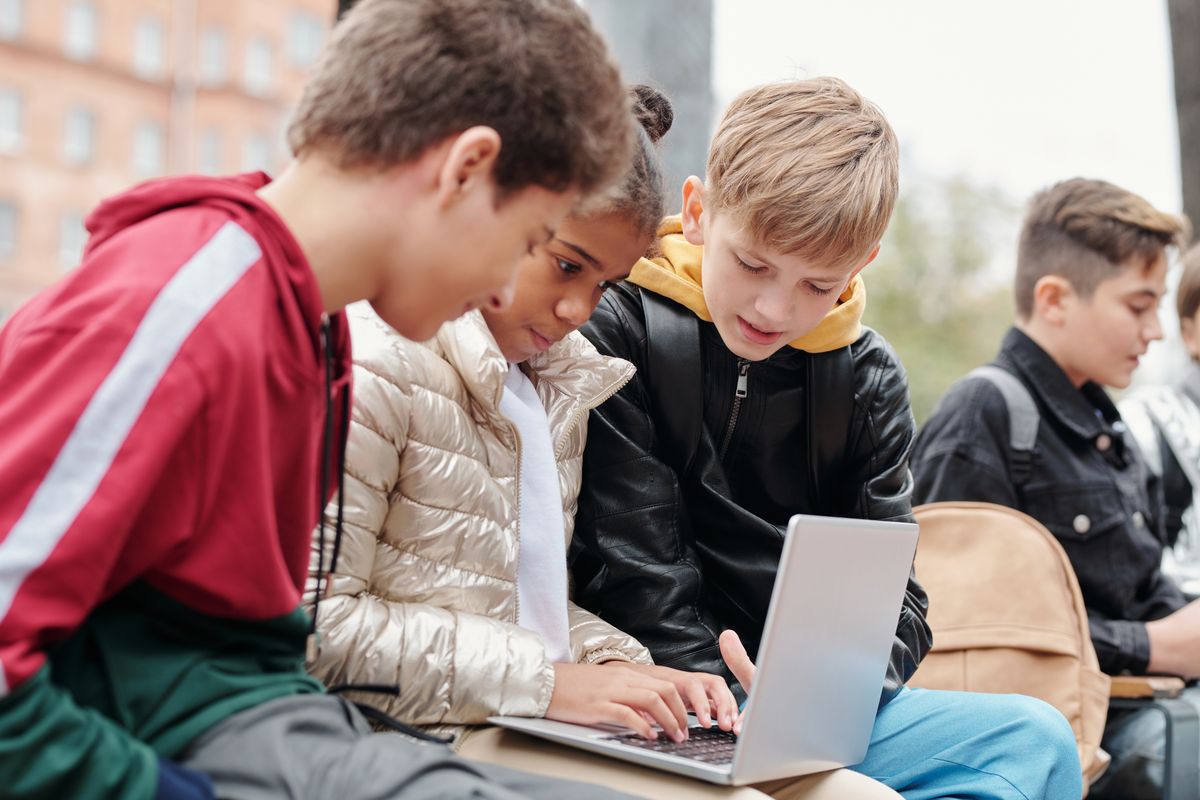
Let's be honest—the way we learn is changing. Fast forward to today, and that isolated grind is becoming a relic. As we head toward 2026, the real magic is happening on collaborative learning platforms. These aren't just fancy file-sharing sites; they're digital hubs where students, educators, and professionals actually build knowledge together. The most powerful insights don't come from a lecture—they spark in the conversation *after* it.
Want to actually study this, not just read it? Turn it into flashcards free - no signup.
Free, no signup: paste any notes into scholar.0xpi.com/flashcard-generator and get a working flashcard set back.
Make free flashcards →Maximizing Collaborative Learning through Gamification
Collaborative learning platforms have largely adopted gamification strategies to boost student engagement and motivation. By incorporating elements of games into the learning process, students are more likely to participate and retain information. For instance, Teams Unite allows professors to create virtual badging systems that reward students for completing tasks and achieving specific milestones.
When using gamification in collaborative learning, it's essential to strike a balance between fun and learning outcomes. Implementing tasks that require critical thinking and problem-solving skills will encourage students to think creatively while minimizing the risk of oversimplifying complex concepts. To achieve this balance, professors can integrate gamification tools with assessments that measure students' understanding and application of course materials.
Incorporating ScholarNet AI into the gamified experience can further enhance student outcomes. By providing real-time feedback and suggestions on course materials, ScholarNet AI helps students identify knowledge gaps and adjust their learning strategies accordingly. As a result, students are more likely to stay motivated and invested in the learning process.
Large-Scale Collaborative Learning Platform Moderation Techniques That Actually Work
With thousands of users participating in collaborative learning platforms, managing online discussions and maintaining a positive learning environment can be challenging. Effective moderation is crucial to prevent misunderstandings and ensure that all students feel comfortable and supported. Teams Unite offers various moderation tools, including AI-powered chatbots that can monitor and address student concerns in real-time.
One effective moderation technique involves establishing clear guidelines and expectations for online discussions. By setting a clear tone and tone-tracking metrics, professors can promote respectful dialogue and prevent online conflicts. Additionally, establishing a clear reporting system for incidents of harassment or bullying can help maintain a safe and inclusive learning environment.
Bullet point guidelines for effective moderation:
- Establish clear expectations and guidelines for online discussions
- Use moderation tools to track student behavior and address concerns
- Set a clear tone for respectful dialogue and conflict resolution
- Establish a reporting system for incidents of harassment or bullying
How Collaborative Learning Platforms Measure and Improve Student Outcomes
One of the primary benefits of collaborative learning platforms is their ability to provide teachers with detailed insights into student learning outcomes. By analyzing data from student interactions, assignment submissions, and peer feedback, professors can identify knowledge gaps and adjust their teaching strategies accordingly.
When using a collaborative learning platform like Teams Unite, it's essential to establish clear assessment criteria and rubrics that align with learning objectives. By doing so, professors can effectively evaluate student performance and make data-driven decisions to improve course outcomes. Additionally, incorporating peer review feedback into the assessment process can help students develop critical thinking and communication skills.
Bullet point assessment strategies:
- Establish clear assessment criteria and rubrics
- Analyze data from student interactions and assignment submissions
- Incorporate peer review feedback into the assessment process
- Use data to inform teaching strategies and adjust course materials
Gamification Features That Make Collaborative Learning Platforms More Engaging
Certain collaborative learning platforms incorporate gamification elements that foster healthy competition, engagement, and teamwork among students. This strategy leverages psychological triggers to promote active participation in online learning communities. By incorporating rewards, badges, and leaderboards, students can track their progress and motivate themselves to achieve better outcomes.
These gamification elements can take many forms, such as virtual rewards, team challenges, or even in-course competitions. The key is to create a fun and engaging environment where students feel motivated to contribute and collaborate with their peers. As a result, the platform can promote a sense of community, accountability, and friendly competition.
To effectively implement gamification in a collaborative learning platform, educators and administrators can use tools like ScholarNet AI to analyze student engagement patterns and identify areas where gamification can be most effective. By doing so, they can tailor the gamification elements to their specific needs and preferences.
For instance, a course on environmental science could include a virtual challenge where students compete to reduce their carbon footprint within a set timeframe. The student who achieves the most significant reduction in their carbon footprint earns a virtual badge, which can be displayed on their profile. This approach not only promotes teamwork and friendly competition but also reinforces the course's key concepts and learning objectives.
Building Accessible and Inclusive Collaborative Learning Platforms for Every Learner
- Accessibility features can include screen readers, closed captions, or even virtual reality experiences.
- These features are crucial in creating an inclusive environment where students with disabilities or language barriers can participate fully.
- By providing equal access to the platform's features and content, educators can promote diversity, equity, and inclusion in the online learning community.
- Some platforms may also offer support for students with disabilities, such as dedicated support teams or resources for students with specific learning needs.
When selecting a collaborative learning platform, educators and administrators should prioritize accessibility and inclusivity features. This includes considering the platform's compatibility with assistive technologies, such as screen readers or speech-to-text software.
For example, ScholarNet AI can be integrated with a platform to provide real-time language translation and offer support for students with hearing or vision impairments. By doing so, the platform can become more inclusive and accessible to a broader range of students.
Ultimately, ensuring accessibility and inclusivity in collaborative learning platforms requires a commitment to creating a welcoming and supportive environment for all students.
Faculty Training Strategies for Successful Collaborative Learning Platform Adoption
Effective faculty training is crucial in ensuring that educators can leverage the full potential of collaborative learning platforms. This includes understanding how to create engaging course content, design meaningful assessments, and facilitate productive discussions and group projects.
To support faculty training, some platforms offer comprehensive training resources, including video tutorials, webinars, or even in-person workshops. These resources can help educators develop the skills and confidence needed to integrate the platform into their teaching practice.
When preparing faculty for collaborative learning platforms, consider the following essential strategies:
- Emphasize the importance of clear communication and setting clear expectations for student participation.
- Provide guidance on how to create inclusive and accessible course content.
- Offer support for faculty to develop meaningful assessments and feedback mechanisms.
- Encourage faculty to use ScholarNet AI tools to facilitate group projects and discussions.
By investing in effective faculty training, educators and administrators can ensure a smooth transition to collaborative learning platforms and maximize their impact on student learning outcomes.
Time Management Tools Built Into Collaborative Learning Platforms for Team Success
Effective time management is crucial for college students who wish to succeed in collaborative learning environments. With various tasks, assignments, and deadlines to manage, staying organized is vital. Here are some practical tips to help you master time management:
Firstly, create a schedule that lists all your tasks, including study sessions, assignments, and social commitments. Be realistic and allocate specific time slots for each activity. Use calendars, planners, or apps like Google Calendar to stay organized and set reminders.
Next, prioritize your tasks based on their urgency and importance. Focus on completing high-priority tasks first, and then move on to less pressing ones. Consider using the Eisenhower Matrix to categorize tasks into four quadrants: urgent and important, important but not urgent, urgent but not important, and not urgent or important.
Additionally, leverage technology to streamline your workflow. For instance, automate repetitive tasks, use productivity apps like Todoist or Trello, and schedule regular breaks to maintain focus and productivity.
Soft Skills Development Through Collaborative Learning Platform Activities
Collaborative learning environments require more than just technical skills; they demand strong soft skills as well. Effective communication, active listening, and conflict resolution are just a few essential skills that can make or break a team's success.
To develop these skills, practice active listening by maintaining eye contact, asking clarifying questions, and paraphrasing what your team members say. This will help ensure that everyone is on the same page and avoid misunderstandings.
Effective communication is also crucial in collaborative learning environments. Use clear and concise language, avoid jargon or technical terms that might confuse others, and be open to feedback and suggestions.
- Use ScholarNet AI to generate discussion prompts or ideas to facilitate group conversations
- Practice conflict resolution by addressing issues early on and seeking common ground
- Be approachable and open to feedback, and acknowledge others' contributions
How to Build a Positive Learning Community on Any Collaborative Platform
A positive learning community is essential for effective collaboration. When team members feel comfortable, valued, and supported, they're more likely to contribute and engage in the learning process.
To create a positive learning community, establish a safe and inclusive environment where everyone feels welcome. Use inclusive language, avoid stereotypes or biases, and promote diversity and equity.
Additionally, use icebreaker activities or team-building exercises to help team members get to know each other better and build trust. Regular check-ins or team meetings can also help foster a sense of community and encourage open communication.
Finally, recognize and reward team members' contributions, no matter how small they may seem. This can be as simple as acknowledging their efforts in a team meeting or giving them a shout-out on social media.
Recommended Resource: Check out study supplies on Amazon to enhance your learning toolkit.
This shift from solo learning to team-based knowledge ecosystems isn't just nice to have; it's essential. Innovation needs collective intelligence, and these platforms are becoming the critical infrastructure to make it happen.
How Collaborative Learning Platforms Evolved in 2026 to Unite Teams
The collaborative learning platform of 2026 is a world away from the clunky, one-way LMS we all suffered through a decade ago. Modern platforms are alive. They integrate AI that adapts to your group's dynamic, real-time co-creation tools, and pathways that respond to both the individual and the team. They're built on a simple truth: learning is social.
Leading platforms like ScholarNet AI get this. They blend live study sessions with async deep work, so your project team in different time zones can maintain momentum. Their algorithms do more than suggest content—they can match you with peers who have complementary skills, like pairing a coding whiz with a design thinker for a project, creating teams that are greater than the sum of their parts.